
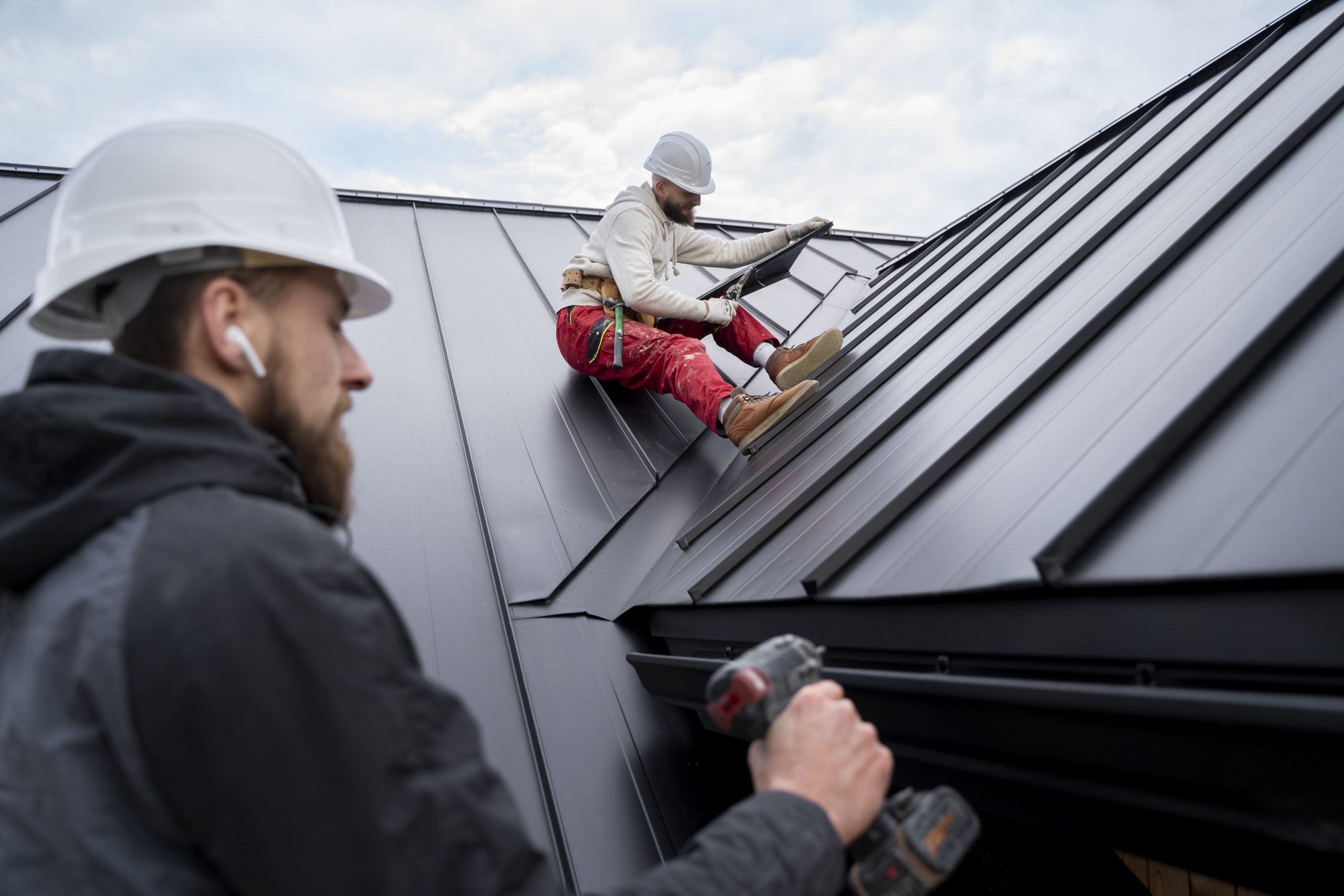
When it comes to maintaining your roof, understanding whether to opt for a Roof Replacement vs. Roof Repair is crucial. Both options have distinct benefits, and knowing the differences can help you make the right decision for your home’s long-term protection.
In this post, we’ll explore both roofing solutions and provide insights to help you decide which is best suited to your needs.
What Is Roof Repair?
Roof repair is a process of fixing specific issues on your roof, such as leaks, damaged shingles, or broken tiles. It’s generally a cost-effective solution for minor damage, and can extend the life of your roof for a few more years.
Key Benefits
- Cost-Effective: Repairing specific areas is generally less expensive than a full roof replacement.
- Quick Turnaround: Most repairs can be completed within a few hours to a couple of days, depending on the scope of the problem.
- Preserving Existing Roof: If the rest of your roof is in good condition, repairing certain sections can save you from unnecessary replacement costs.
When to Consider
- Minor Damage: If only a small section of your roof is damaged (like a few shingles or tiles), a repair is usually sufficient.
- Budget Constraints: Roof repair is often the best solution when you need a temporary fix or can’t afford the full replacement cost.
- Non-Structural Issues: When the issue doesn’t affect the structure of the roof (e.g., leaks or localized damages), repair might be the most effective solution.
What Is Roof Replacement
Roof replacement involves removing the entire roof and installing a brand new one. It’s a significant investment, but it ensures that your home is protected from the elements for many years to come.
Key Benefits
- Longevity: A new roof lasts much longer than a repaired one, offering protection for 20-30 years depending on materials.
- Energy Efficiency: A new roof can improve your home’s energy efficiency, especially if the old roof had insulation issues.
- Increased Property Value: A new roof can increase the value of your home, making it an attractive feature for potential buyers.
When to Consider
- Widespread Damage: If more than 30% of your roof is damaged or the roof is more than 20 years old, replacement might be the better choice.
- Frequent Repairs: If you find yourself calling the contractor every year for roof repairs, it may be more cost-effective to replace the roof entirely.
- Major Structural Damage: If the structure of your roof is compromised, replacement is necessary to ensure your home remains safe.
How to Decide:
Choosing between a roof repair and a roof replacement depends on various factors including the age of your roof, the extent of the damage, and your budget. Here’s a simple guide to help you make the right choice:
- Age of the Roof:
- Under 10 Years Old: Repairs are likely sufficient.
- Over 10-15 Years Old: You may need to start considering a full replacement if the damage is significant.
- Extent of the Damage:
- Minor Leaks or Shingle Issues: Repair.
- Multiple Leaks or Significant Damage: Replacement.
- Budget Considerations:
- Short-Term Fix: If you’re looking for a quick, budget-friendly fix, repair is ideal.
- Long-Term Investment: If you’re looking to save on frequent repairs in the future, investing in a new roof might be the better choice.
- Home Value and Aesthetics:
- Planning to Sell: A new roof can improve curb appeal and increase the resale value of your property.
- Staying Long-Term: If you plan to stay in the home for many years, investing in a new roof might be worth it in the long run.
Common Roofing Materials for Both
Whether you’re repairing or replacing, knowing the materials available can help you choose the best option. Here are some common roofing materials used in both repairs and replacements:
- Asphalt Shingles: Affordable and commonly used for repairs, asphalt shingles are a good option for homeowners on a budget.
- Metal Roofing: Durable and energy-efficient, metal roofing is great for both repairs and replacements, offering long-lasting protection.
- Slate: A high-end option often used for full replacements, slate offers unmatched durability and aesthetic appeal.
- Clay Tiles: Known for their elegance, clay tiles are often used for roof replacements in areas with specific architectural styles.
Cost Comparison
- Roof Repair Costs: The average cost of repairing a roof typically ranges from £150 to £1,000, depending on the extent of the damage and the materials used.
- Roof Replacement Costs: Roof replacement costs vary based on materials and roof size, but on average, it can cost between £3,000 and £7,000 for a standard home in the UK.
While roof repair may seem more affordable in the short term, a replacement might be a better long-term investment if your roof is nearing the end of its lifespan.
Conclusion
Whether you choose a Roof Replacement vs. Roof Repair depends on the condition of your roof, your budget, and how long you plan to stay in your home. While roof repairs can be a quick and cost-effective solution for minor issues, a full roof replacement is often a better long-term investment for homeowners dealing with extensive damage or aging roofs. By understanding the differences between these options, you can make an informed decision and ensure your home remains safe and protected for years to come.
If you’re unsure which option is best for your home, don’t hesitate to contact us at RDFinishersnw. Our expert roofing contractors are here to assess your roof and guide you through the process of finding the right solution for your needs.
FAQs
Can I repair my roof myself?
While minor repairs like replacing a few shingles may be doable for homeowners with experience, it’s always safer to hire a professional to ensure the job is done correctly and safely.
How long does a roof replacement take?
On average, a roof replacement can take 1-3 days, depending on the size of your home and the roofing materials used.
How do I know if my roof needs to be replaced?
If your roof has extensive damage, frequent leaks, or is over 20 years old, it may be time for a replacement. A professional roofing contractor can assess your roof and provide a recommendation.
Can I get a roof replacement insurance claim?
Roof replacement may be covered by your homeowner’s insurance if the damage is caused by a covered event (e.g., storms, fallen trees). Contact your insurance provider for more details.
How often should I get my roof inspected?
It’s recommended to have your roof inspected at least once a year, especially after harsh weather conditions, to identify any potential issues before they become costly problems.